Operational chronology
A source-referenced sequence that records the time basis, conflicts and confidence behind each material event.
Operational intelligence and incident clarity
From a focused conversation about one patient or one crew to a source-referenced chronology or tabletop reconstruction. Clear operational understanding for legal teams, insurers and organisations handling routine and complex incidents.
The Dark Side in 15 seconds · Press play to watch.
Watch the full introduction · 2 min 55 sec →The Dark Side refers to the parts of a routine event, emergency or serious incident that are not immediately visible or readily understood from records alone. The service reconstructs the event from its starting point, through the developing response and critical decisions, to the recovery phase.
It examines what information was available, how people and organisations acted, what operational pressures existed and where important evidence may be missing or misunderstood. These less visible areas are “the dark side” of the incident: aspects of clinical care, emergency response and operational practice that may be difficult to recognise or properly interpret without relevant clinical expertise and first-hand operational understanding.
The service
Sometimes a simple question or a focused conversation closes the gap in understanding. A response involving one patient or one crew may need only a clear explanation of access, timings, communication or handover. Where more work is useful, The Dark Side organises lawfully supplied records so the instructing team can follow the sequence and see the questions that remain.
A source-referenced sequence that records the time basis, conflicts and confidence behind each material event.
A structured schedule of missing records, inconsistent times, unexplained delays and useful further enquiries.
Plain-language context about how ambulance, rescue, command and multi-agency systems ordinarily function.
A facilitated, retrospective review of roles, communications, decisions and unresolved points with the legal team.
Review joint briefings, specialist participation, task allocation, acknowledgement and readiness across the response.
Distinguish location, access, clinical contact, rescue reception, transport and handover, with the timing basis visible.
Support an organisation’s patient safety response through factual chronology and operational context.
Review supplied accounts. New interviews or site visits require a separate authorised scope and agreed handling arrangements.
Watch the introduction
Discover how The Dark Side helps legal teams, insurers and organisations understand the sequence, decisions and operational context behind an incident.
2 min 55 sec · Includes on-screen captions · Press play to watch.
Who this is for
For solicitors, counsel, insurers, claims teams and public bodies reviewing everyday clinical and operational events as well as emergency, rescue, high-threat and multi-agency incidents. The work is proportionate to the question; a large reconstruction is not needed for every enquiry.
Clinical negligence, personal injury, inquests and public-law matters requiring a reliable factual structure.
Insurers covering emergency responders or service providers, their brokers, claims handlers and appointed legal teams.
Patient safety and operational teams needing factual chronology and reconstruction while retaining investigation leadership.
Insurance and claims support
For insurers covering emergency responders, ambulance and independent healthcare providers, fire, police, rescue and associated organisations, The Dark Side offers a clear factual account of how an incident developed. Instructions can come through an authorised claims team or its appointed solicitors.
Bring supplied call records, radio logs, clinical records, accounts and visual material into a source-referenced operational chronology.
Examine what information was available, who held responsibility, specialist participation and operational pressures at material points.
Highlight contradictory times, incomplete records and questions requiring further disclosure or specialist expert input.
Provide a usable factual report or tabletop session for the claims and legal team, with uncertainty and limitations clearly shown.
The account is impartial and follows the evidence, including material that challenges the instructing party’s position. Coverage decisions, claims strategy and legal advice remain with the insurer and its advisers. No insurer affiliation or approved-panel status is claimed.
Support under the Patient Safety Incident Response Framework (PSIRF) includes a source-referenced chronology, information and decision map, communication review, patient journey and evidence-gap schedule. The review considers relevant services across the response.
Human factors and operating conditions form part of the context: workload, information, team coordination, resources and competing demands are considered where the records support them.
The Trust retains investigation leadership, stakeholder engagement, investigative decisions and its formal patient safety response. This service supports factual chronology and operational understanding; it does not appoint the Consultant as the PSIRF lead investigator or provide a determination of breach or legal causation.
Where mapping adds value
A focused working session to follow the evidence through locations, information flow and decisions. A simple incident plan may be enough. Where useful, topographical mapping and scale models help explain terrain, buildings, access routes and responder positions.
Agree the question, material, participants and safe boundaries.
Move through the incident in time order using the working chronology and simple map.
Examine information flow, options, constraints and decision points without filling gaps by assumption.
Record confirmed facts, conflicts, unresolved issues and proportionate further enquiries.
Clear limits
Delivery
Proportionate instructions
A focused question or conversation may be all that is needed. We agree the scope, output and fee basis before substantive work, with a spending cap where appropriate.
Case-specific conversations, records review, research, adviser liaison, preparation, reporting and quality checks are billable. Mapping preparation, sourcing models, tabletop assembly and facilitation are included in the quoted scope when required. External costs are itemised and agreed in advance.
Working time is recorded. Extra work requires an agreed extension to the scope or budget. A small task can end with a useful answer; a larger reconstruction is quoted for the work it needs.
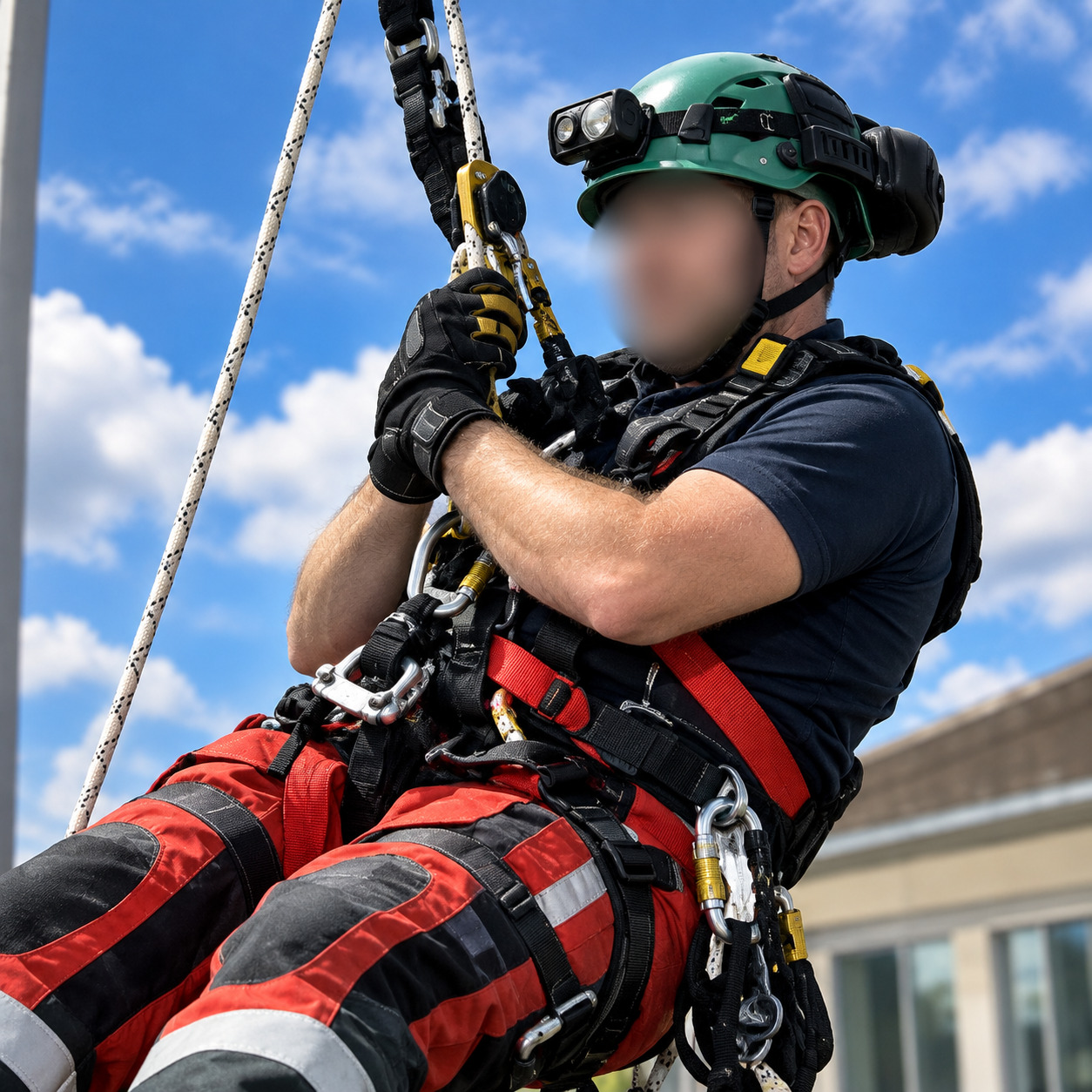
The Consultant
The service is led by an HCPC-registered paramedic with specialist paramedic experience since February 2017 with approximately 35 years of paramedic practice and more than four decades of wider operational experience.
Professional experience includes senior NHS ambulance operations at superintendent level, emergency operations-centre management, independent healthcare governance, high-threat domestic medicine, search and technical rescue, critical-infrastructure operations and multi-agency response.
The Consultant has extensive experience of regulated clinical governance, command, risk, competence, safeguarding and patient safety, together with practical understanding of working at height, confined-space operations, high-risk environments and swift-water incidents.
Command experience includes Silver Commander duties at live incidents and exercises, EOC Commander duties and senior out-of-hours responsibility. The Consultant completed the Institute of Administrative Management Lead Auditors course in March 2025 and has trained in conflict resolution and management, behavioural detection, close protection, and intelligence gathering and preparation.
Governance
Every instruction uses written authority, a defined question, data-minimisation, secure handling, a source register and a retention decision. Facts, reported accounts, inference and unresolved issues are kept distinct.
Before case material is shared, data-processing roles, authorised recipients, retention and the secure transfer route are agreed in writing. SharePoint is the preferred route where configured, checked and authorised; an instructing organisation’s approved portal can also be used. Registration status and appropriate insurance are confirmed before substantive instructed work begins. Please do not send confidential records in an initial enquiry.
The service is subject to written engagement terms, conflict checks, appropriate insurance and data-protection arrangements. It does not provide legal advice or promise that intelligence will be admissible evidence.
Method demonstration
The Riverside Pumping Station demonstration pack shows how a fragmented record can become a structured chronology, decision map and evidence-gap schedule, supported by fictional case records and seven analysis products.
It demonstrates review from the pre-incident circumstances and emergency call through multi-agency response, casualty transfer and recovery. Written transcripts and observation logs represent the example communications and visual records.
Riverside is entirely fictional. It is a method demonstration, not a client case or testimonial, and contains no genuine incident recordings. A walkthrough can be discussed as part of an initial enquiry.
For legal teams, insurers and organisations
Send a brief enquiry to Consultancy@thedarkside.uk describing the question, organisation and deadline. The initial discussion identifies conflicts and agrees scope, deliverables, fee and timetable before review. Confidential case records follow only through the agreed secure route.